Understanding pain, maintaining activities, and building realistic support
Osteoarthritis can make walking, stairs, hand movements, or certain work activities more difficult. Yet it does not mean that abilities must decline continuously and inevitably. Symptoms fluctuate, and appropriate management can improve function and quality of life. Guidelines place information and exercise at the heart of care, with choices adapted to the person. [1] [2] [3]
This article’s title refers to relief through osteopathy; its scope needs clarification. The osteopath does not make the medical diagnosis of osteoarthritis or promise to rebuild cartilage. Support may be considered for comfort, but the specific effects of osteopathy remain insufficiently established. It should support an active plan without delaying a necessary consultation or replacing rehabilitation. [1] [7]
Anatomy: osteoarthritis affects the whole joint
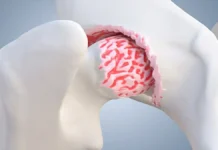
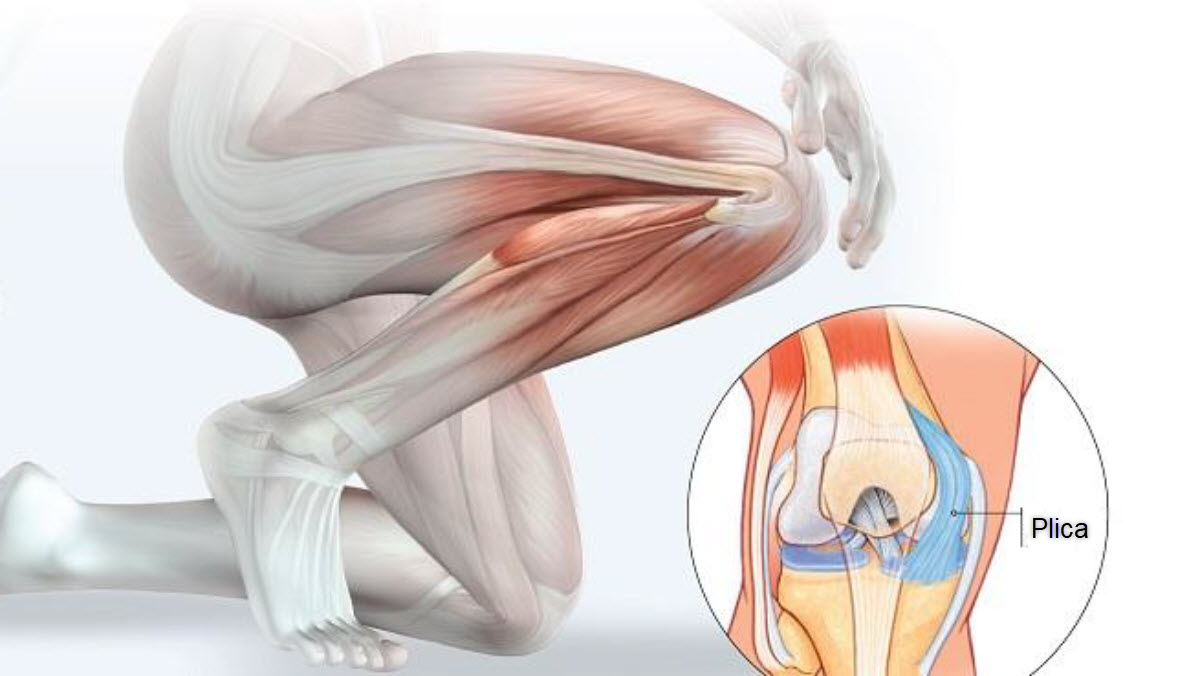
A joint includes the bone ends, cartilage, synovial membrane, capsule, and structures that provide stability and movement. Surrounding muscles help control forces. Osteoarthritis involves changes in several of these tissues; it is not simply a surface worn down by normal use. This distinction helps avoid excessive fear of movement. [1] [2]
The knees, hips, and hands are commonly affected. Symptoms and options for adaptation differ by location. Thumb discomfort may make opening a jar difficult, while knee involvement may limit stair use. Care planning should therefore begin with difficult tasks rather than applying the same program to every joint. [2] [3] [9]
Pain and stiffness: understanding variations
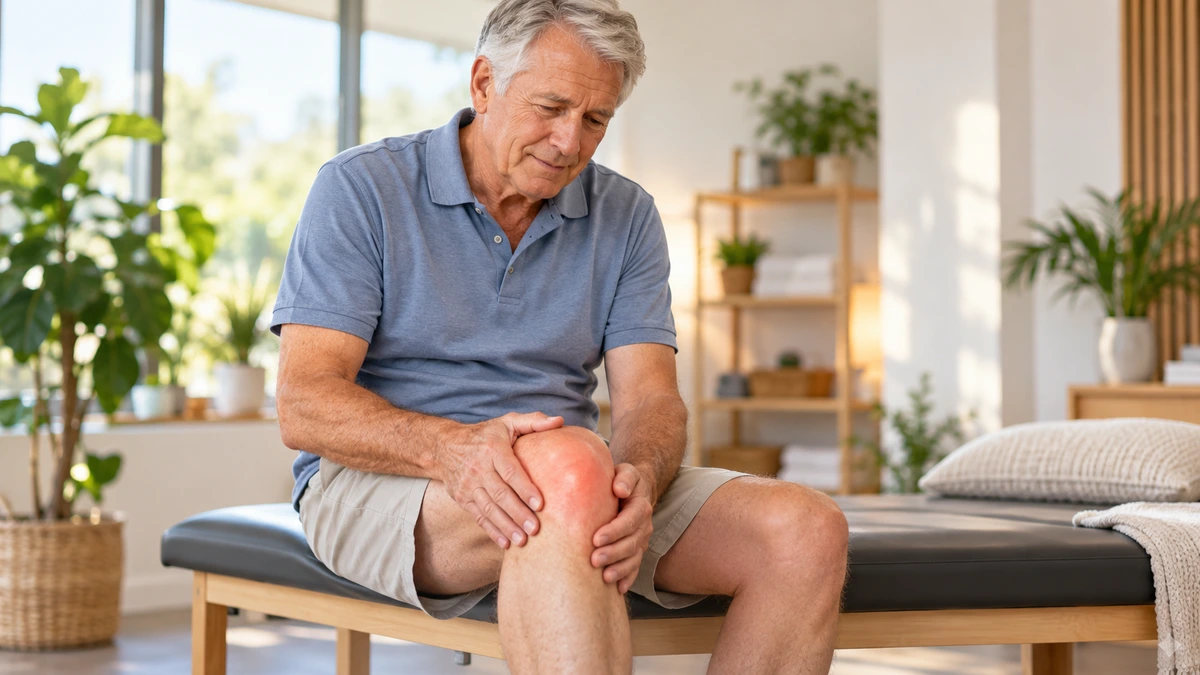
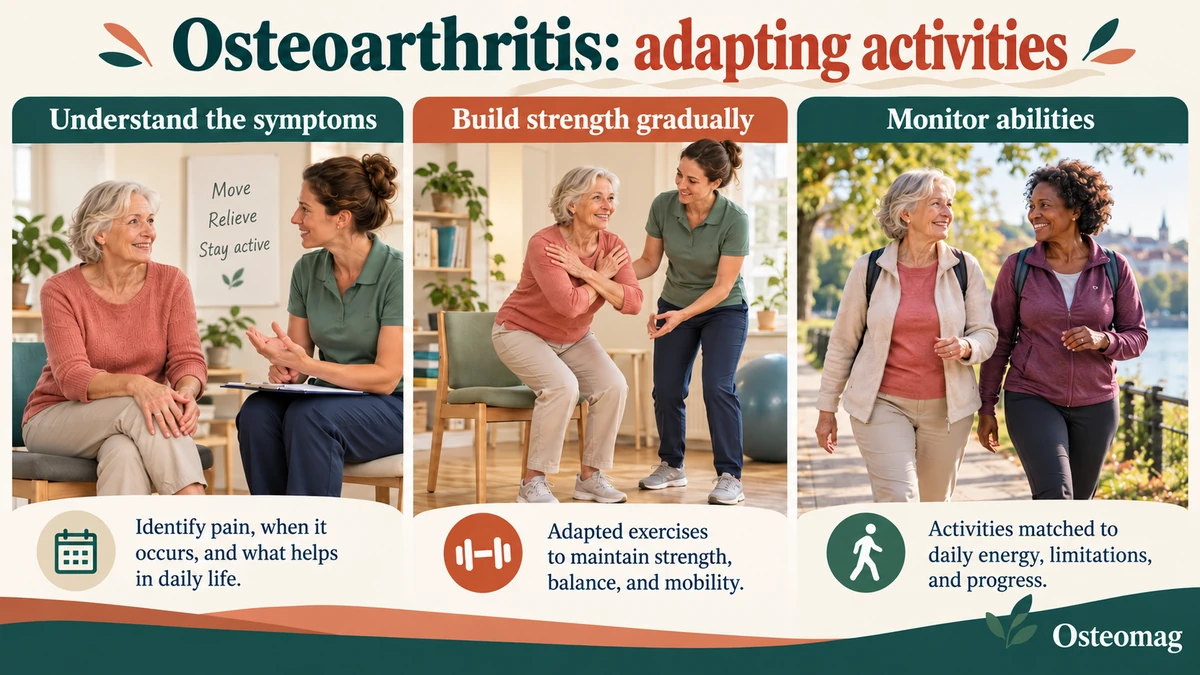
Pain may occur during an activity or after exertion, with stiffness when starting to move. Some people feel discomfort after sitting for a long time; others are more limited by reduced strength or fatigue. More symptomatic periods may alternate with more comfortable phases. A radiograph alone does not describe the pain someone experiences or their everyday abilities. [1]
Sleep, work demands, other health problems, and fear of movement also influence the experience. Recognizing these factors does not mean the pain is imaginary. It expands the possibilities for support: adapting a task, regaining more regular sleep, organizing breaks, and resuming a chosen activity. However, rapid deterioration or unusual symptoms calls for reassessment. [1] [3]
Associated factors and individual situations
Age, previous injuries, and certain mechanical or metabolic factors may be associated with osteoarthritis. Their presence cannot precisely predict an individual’s course. It would be reductive to attribute all pain to an incorrect posture or a palpated imbalance. The priority remains understanding the clinical picture and current needs, without seeking one explanation for every joint. [1] [2]
Medical diagnosis and the role of investigations
The physician gathers information about symptoms, their duration, limitations, and medical history, then examines the affected joints. In a typical presentation, some guidelines allow a clinical diagnosis without routine imaging, particularly in adults aged forty-five or older with activity-related pain and no morning stiffness or only brief stiffness. These criteria are not a self-diagnosis tool. [1]
Prolonged stiffness, a very hot joint, rapid progression, or other manifestations may prompt investigation for inflammatory disease, infection, or another cause. The physician decides whether a radiograph, laboratory test, or specialist examination is useful. Repeating an image solely to monitor pain is not always necessary. Interpretation connects findings with the examination and function. [1] [2]
Exercise: a central element of management
Exercise programs can improve pain and abilities, with effects varying between people and follow-up conditions. The Cochrane review on the knee supports their role in care while clarifying study limitations. There is no miracle movement: choices depend on goals, initial abilities, preferences, and associated problems. [4]
Strengthening, endurance activities, and functional exercises can be combined. For the knee, rising from an adapted chair or exercising the leg muscles can prepare everyday tasks. For the hip, a program may aim to improve walking and tolerance for getting around. The updated review of exercise for hip osteoarthritis helps discuss benefits and uncertainties according to the outcomes studied. [2] [6] [8]
Starting at a manageable level
The first step is to identify an activity that can be performed regularly. A short walk, a seated exercise, or aquatic activity may be considered according to what is possible. The physiotherapist adjusts difficulty and technique. Temporary discomfort at the start does not necessarily mean that the joint is being damaged, but strong pain, increasing limping, or lasting worsening calls for adjustment. [1] [4]
It is useful to monitor the response during activity, afterward, and the following day. A gradual increase may involve duration or difficulty without changing everything at once. Studies on strengthening dosage describe group-level trends; they do not provide an identical optimal prescription for each person. Consistency and adjustment matter more than immediately striving for performance. [6]
At home or with supervision
Home exercises can support continuity, while supervised sessions help adapt the program and build confidence. Comparisons between these formats do not justify making either one compulsory for everyone. A combined model can be practical: learn the movements, perform them regularly, then reassess difficulties. The best program is also one that fits real life. [5]
Adapting tasks and preserving independence
Adjustments may include a stable seat for certain tasks, distributing effort throughout the day, or changing work organization. For the hands, objects that are easier to grip and aids for opening containers can reduce demands. A thumb orthosis may be discussed in certain situations, with advice adapted to its use and skin tolerance. [2] [9]
A walking aid can make mobility safer and more comfortable when indicated. Professional support can help with its selection and adjustment. It does not represent a failure of rehabilitation: it may enable continued activity. Adjustments should be reviewed as abilities change rather than automatically becoming permanent restrictions. [1] [3]
For people with knee osteoarthritis and excess weight relevant to their health, nutritional support can be discussed if they wish. The IDEA trial studied a combination of dietary support and exercise in a specific population. Its findings justify neither blame nor an imposed goal for everyone. Nutrition, abilities, and preferences should be approached respectfully. [10]
| Difficulty | Support option | Progress indicator |
|---|---|---|
| Rising from a chair | Adapted seat height and progressive strengthening | Easier movement, less reliance on the arms |
| Walking for a long time | Shorter sections, endurance, and an aid if needed | Comfortable distance and recovery after the outing |
| Using the hands | Adapted grips, exercises, and specific advice | Better tolerance for daily tasks |
| Unusual pain or a hot joint | Medical reassessment | Cause clarified before continuing care |
What happens during an osteopathic consultation?
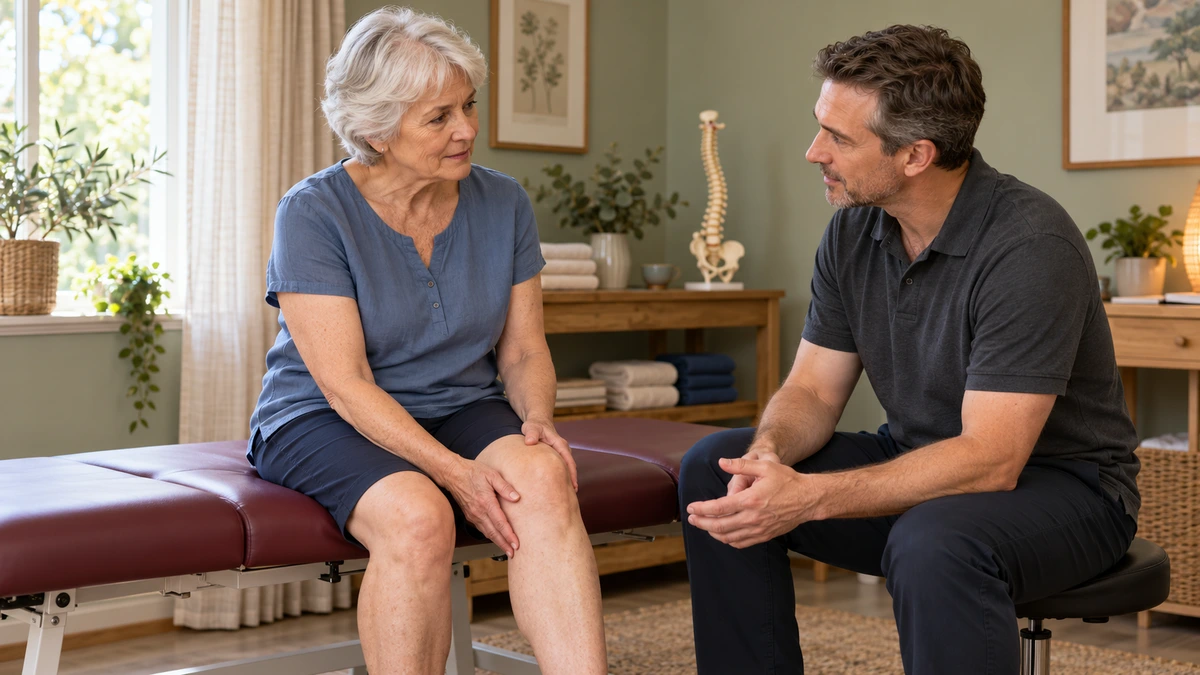
The consultation begins with the known medical diagnosis, available investigations, and the person’s goals. The osteopath asks which tasks are difficult, how symptoms change, and what care is already underway. They look for warning signs requiring referral. They do not infer joint disease from a single palpation or change restrictions set by the physician.
With the person’s consent, the osteopath may observe active movements and everyday tasks within a comfortable range. Gentle manual contact may be offered for comfort when appropriate. Any possible effect does not prove that a structure has been corrected. Follow-up should leave room for exercises, adjustments, and coordination with other professionals.
Guidelines do not place isolated manual care at the center of treatment. Research on interventions added to exercise shows that additional benefit depends on the approach and sometimes remains uncertain. These findings do not establish a specific effectiveness of osteopathy for every osteoarthritis location. Improvement after a session should be interpreted cautiously, particularly when brief. [1] [7]
A concrete goal rather than an abstract result
A person might choose to regain walks with someone close or prepare a meal with fewer breaks. This goal tracks an activity that truly matters rather than seeking only a change in range during a session. The professional asks what has changed between appointments and which obstacles remain. Adjustments are discussed with the person, without imposing a program incompatible with daily life.
Progress may be modest but useful: resuming a task, managing effort better, or using an aid more confidently. Lack of progress leads to reviewing the plan, rather than explaining that the body must necessarily receive more treatment. This approach remains consistent with needs-focused guidelines and the role of adapted exercise. [1] [2]
Evaluating results and discussing next steps
Follow-up can compare ease of standing up, walking duration, a hand task, or participation in a leisure activity. Daily variation does not cancel progress; it is more useful to observe a trend over several weeks. Implementing guidelines often requires practical adjustments, support for consistency, and discussion of obstacles encountered. [1] [5]
When pain and loss of function remain substantial despite appropriate management, the physician may suggest specialist advice. Surgery may be discussed for certain hip or knee problems. The decision accounts for the impact, preferences, and overall assessment; it does not depend solely on radiographic severity. [1] [2]
A realistic plan does not seek to eliminate every sensation before living normally. It aims for chosen activities, better-preserved independence, and enough understanding to adapt effort. Osteopathic support, if selected, remains a complementary option reviewed regularly. A person should be free to continue, space out, or stop it without fear of compromising their joint health.
References
- [1] NICE. Osteoarthritis in over 16s: diagnosis and management. NG226, recommendations.
- [2] 2019 American College of Rheumatology/Arthritis Foundation Guideline for the Management of Osteoarthritis of the Hand, Hip, and Knee
- [3] OARSI guidelines for the non-surgical management of knee, hip, and polyarticular osteoarthritis
- [4] Exercise for osteoarthritis of the knee.
- [5] Home-based vs center-based exercise on patient-reported and performance-based outcomes for knee osteoarthritis: a systematic review with meta-analysis.
- [6] Association Between Prescribed Dosage of Resistance Exercise and Change in Pain and Physical Function in Knee Osteoarthritis: A Systematic Review With Meta-Regression
- [7] Adjunctive therapies in addition to land-based exercise therapy for osteoarthritis of the hip or knee.
- [8] Exercise for osteoarthritis of the hip.
- [9] 2018 update of the EULAR recommendations for the management of hand osteoarthritis
- [10] Effects of intensive diet and exercise on knee joint loads, inflammation, and clinical outcomes among overweight and obese adults with knee osteoarthritis: the IDEA randomized clinical trial