Respecting temporary protection and gradually restoring movement options
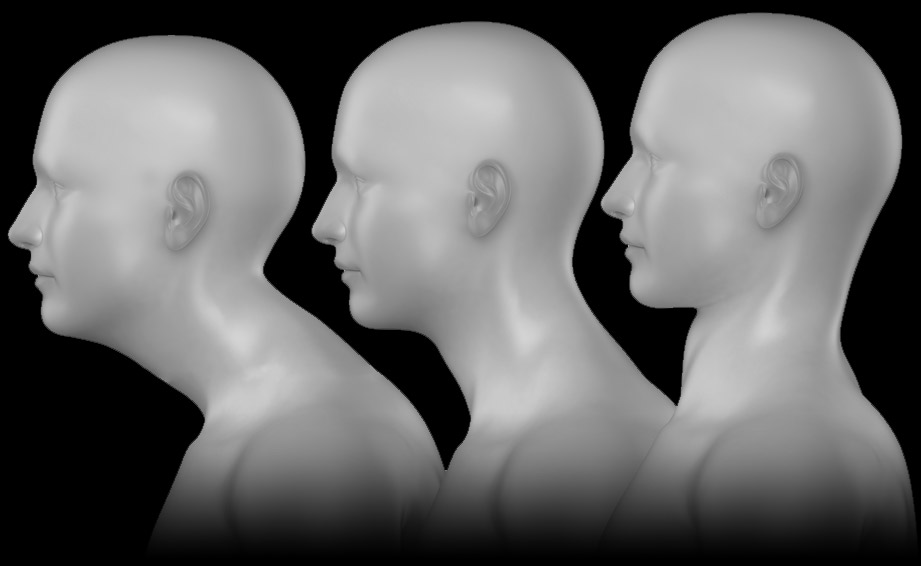
When someone is in pain, they spontaneously change the way they move. They may lean, shorten their stride, keep an arm close to the body or avoid a particular position. This pain-relieving, or antalgic, posture is not necessarily a ‘bad posture’ that needs immediate correction: it may be a temporary strategy that reduces pain or perceived threat [1] [2] [3].
At the beginning of a painful episode, protecting an area can be useful. Problems arise mainly when protection becomes rigid, persists unnecessarily or gradually restricts activity. The priorities are then to check for warning signs, preserve tolerable movements and gradually reintroduce range of motion, loading and confidence.

Why does pain change posture and movement?
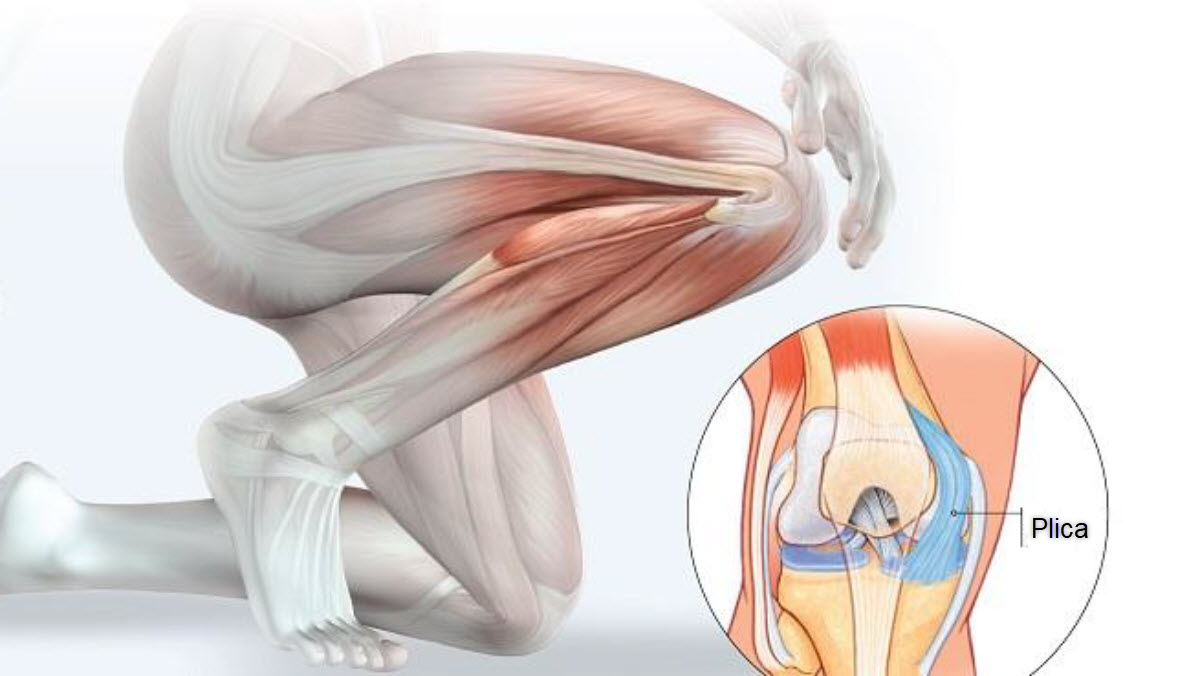
Muscles produce and control movement; joints, skin and deeper tissues also provide sensory information. The nervous system combines these signals with the task, experience and context. Different coordination can therefore emerge without a bone moving out of place. These models help explain adaptation, but do not replace assessment of an injury [1] [3].
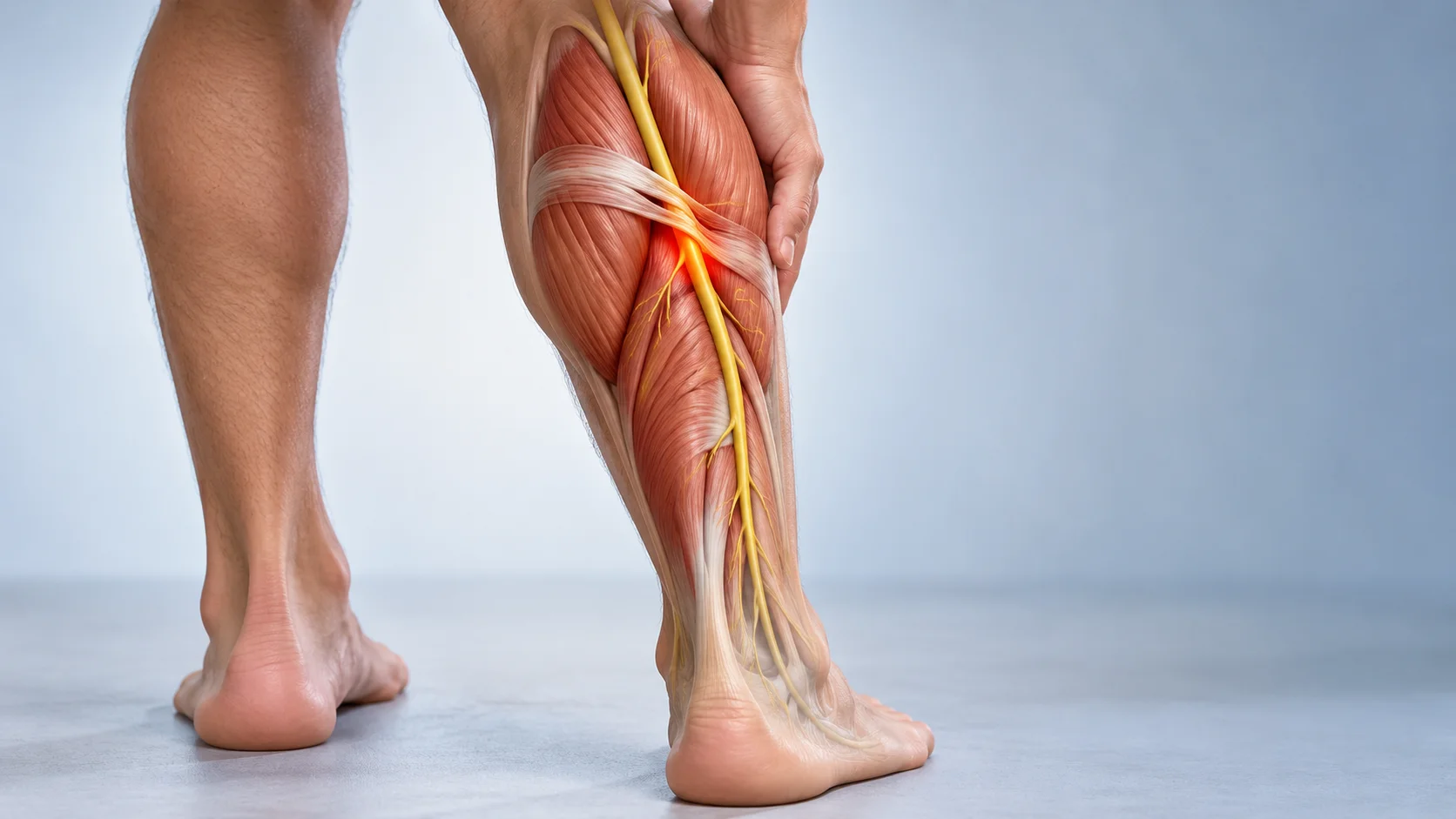
The motor response to pain is much more complex than a simple ‘muscle spasm’. Research on motor control shows that activity can be redistributed across different muscles and motor units. Depending on the task and the person, some muscles become more active, others less active, and movement changes to find a solution that feels more tolerable [1] [2] [3].
This adaptation can help in the short term: reducing the range of a painful movement, temporarily limiting load on a sensitive area or allowing an essential activity to continue. However, a very rigid strategy with little variability can become costly if it persists: fatigue, loss of confidence, deconditioning, overloading of other areas or a gradual reduction in movement options [1] [2].
There is therefore no universal antalgic posture corresponding to each diagnosis. Two people with the same problem may choose different strategies. Posture provides clinical information, but cannot identify the responsible structure on its own.
A relieving posture is not necessarily a problem
When pain is recent, looking for a more comfortable position is normal. Someone who has just sprained an ankle reduces weight-bearing; neck pain may temporarily limit head rotation; low back pain may lead someone to stand up more slowly or change the position of their trunk.
The mistake would be to assume that every asymmetry needs immediate correction. Forcing an ‘upright’ or symmetrical position despite substantial pain may increase symptoms and reinforce the feeling that the body is fragile. A more useful strategy is to temporarily allow some room for comfort, then gradually expand movement when the situation permits.
Acute pain and inflammation: two different concepts
Acute pain can occur with inflammation, but pain and inflammation are not synonymous. After a sprain, contusion or tissue injury, an inflammatory response normally contributes to repair. Redness, warmth and swelling may be present. Conversely, some episodes of severe acute pain show few visible inflammatory signs.
The aim is therefore not to ‘eliminate all inflammation’. A critical review published in the British Journal of Sports Medicine in 2024 concluded that cryotherapy has an analgesic effect, but that there is no strong human evidence showing that it improves tissue regeneration. The authors emphasize that repair depends on appropriate regulation of the inflammatory process rather than its abolition [4].
Is cold always appropriate?
No. Cold may temporarily reduce pain after some acute injuries, but is not essential in every situation and should not be presented as a necessary way to ‘stop inflammation’. The 2024 review mainly proposes very early use for pain relief and urges caution with prolonged application, because human evidence on tissue healing remains limited [4]. An earlier systematic review reported positive effects, with often low certainty for acute injuries and persistent pain [5].
If cold feels pleasant, it can be used briefly as a comfort strategy, with skin protection and avoiding exposure that causes pain, burning or excessive numbness. Particular caution is needed when sensation or circulation is impaired.
Heat may also feel helpful for some muscle or low back pain. There is no universal rule that ‘cold is good’ and ‘heat is bad’ at the start of an episode. The choice mainly depends on the problem, the context and the person's response.
Complete rest or movement?
For many common musculoskeletal problems, prolonged immobility is undesirable. Contemporary recommendations for acute low back pain favour continuing activities as much as possible rather than prolonged bed rest [6]. Ankle sprain recommendations similarly emphasize functional weight-bearing, movement and progressive rehabilitation when the severity of the injury allows it [7].
This does not mean ‘pushing through’ intense pain. Between total immobility and maximal effort lies a zone of tolerable loading. Initially, that zone may be small. It expands as movement becomes more comfortable and function improves.
| Situation | A generally reasonable approach |
|---|---|
| Acute pain without warning signs | Temporarily reduce highly provocative actions, while maintaining tolerable movements and activities. |
| Sprain or injury with swelling | Protect if needed, use appropriate support and gradually resume weight-bearing according to severity. |
| Acute low back pain | Avoid prolonged bed rest; vary positions and maintain activities that remain possible. |
| Pain that increases markedly after activity | Temporarily reduce intensity, duration, repetitions or range, then try again gradually. |
| Progressive weakness or another neurological sign | Seek medical assessment rather than looking only for a relieving posture. |
An assessment focused on function
The professional asks about symptom onset, any injury mechanism, weight-bearing capacity and neurological or general symptoms. They then observe useful actions: standing up, walking, turning or reaching for an object. Posture alone cannot distinguish muscle pain from a fracture, nerve involvement or a medical cause. Imaging is not routine for uncomplicated low back pain; its use is guided by clinical suspicion and whether it will help management [6] [8].
When can protection become excessive?
A protective strategy can persist beyond the most acute phase. Anticipating pain can sometimes change movement before a tissue is even loaded. Current motor control models show that pain, expectations, perception and behaviour interact: the system learns to protect what it considers threatening [2] [3].
This does not mean that the pain is ‘psychological’. It means that movement is adaptable. When an action has repeatedly been painful, it may be performed more rigidly, more slowly or with different coordination. Returning to function then involves offering progressively tolerable experiences rather than abruptly imposing the avoided movement.
How can you regain freer posture?
The priority is not to achieve perfect posture. It is often more useful to restore variability: being able to sit in several ways, shift weight, turn, bend, walk and resume different activities without feeling that one position is compulsory.
1. Vary your positions
A posture that feels comfortable for ten minutes may become uncomfortable after an hour. Alternating weight-bearing, sitting, walking and rest periods is often more useful than seeking a permanently ‘correct’ position.
2. Resume movement in small doses
Start with an easy movement within a comfortable range. Repeat it until it becomes familiar, then gradually increase the range, repetitions, duration or load.
3. Observe your response during and afterwards
The response in the following hours matters as much as pain during exercise. A small temporary increase that quickly returns to the usual level may be acceptable. A strong or lasting deterioration suggests that the dose was too high.
4. Restore confidence
Discovering that a movement can be performed without worrying consequences helps reduce anticipation and expand the motor repertoire. Progression is therefore both physical and perceptual.
For chronic non-specific low back pain, a Cochrane review supports the average benefit of exercise for pain and function, with differences between comparisons. WHO recommends personalized, active and comprehensive care for chronic primary low back pain. These findings establish neither a compulsory posture nor a universal dose and cannot be applied without caution to a serious acute injury [9] [10].
What role can manual treatment play?
Manual treatment may be used for comfort and mobility and to help some people resume movement. There is no need to believe that it ‘puts’ the body into an ideal alignment or must eliminate every protective tension.
In a very sensitive area, the technique should match tolerance. The depth of touch, timing of the intervention and response after the session are more useful than arbitrary rules such as ‘wait exactly 48 hours’ or ‘start myofascial work on day three’. Recovery varies with the tissue, injury severity, age, health and applied load.
For low back pain with or without sciatica, NICE recommends that manual therapy, when used, be part of a package including exercise, with or without a psychological approach depending on the context, rather than being used alone [8].

Examples of bodily protection
Low back pain
Someone may limit bending or extension, or temporarily shift to one side. This position may relieve symptoms, but cannot reliably reveal whether the cause involves a disc, joint or muscle. Without warning signs, gradually returning to activity is generally preferable to prolonged immobilization.
Sciatica or radicular pain
The person may change the position of the trunk or limb to reduce symptoms. The priority is to monitor neurological changes. New or progressive weakness warrants prompt medical assessment.
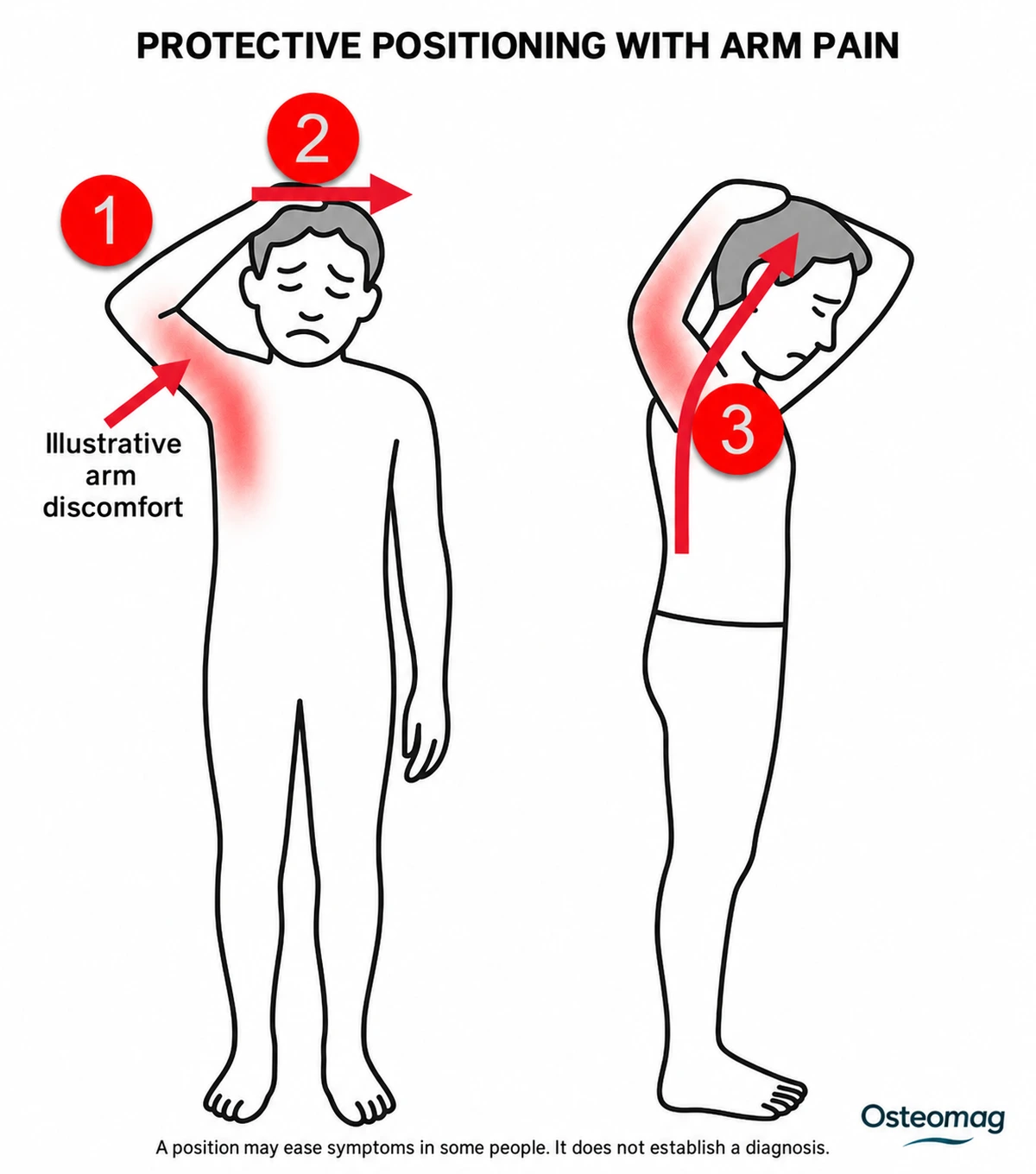
Shoulder pain
Keeping the arm close to the body can feel comfortable during a painful phase. Over the medium term, recovery generally involves gradually resuming movement and loading according to the diagnosis and tolerance.
Ankle sprain
Reducing weight-bearing immediately after injury is normal. Once a fracture or serious injury has been ruled out, guidelines favour progressive movement, weight-bearing and functional rehabilitation when the sprain allows it [7].
What can slow recovery?
- Forcing posture: immediately seeking perfect symmetry despite substantial pain.
- Immobilizing for too long: avoiding all movement for several days when adapted activity would be possible.
- Relying on repeated passive treatments: waiting for tissues to be ‘corrected’ before starting to move again.
- Increasing load too quickly: immediately resuming the sporting or occupational level used before injury.
- Automatically equating pain with damage: pain protects, but its intensity does not directly measure the extent of an injury.
- Ignoring warning signs: not all pain is purely musculoskeletal.
When should you seek prompt care?
An antalgic posture is often commonplace, but some symptoms require prompt or urgent medical assessment depending on severity. These include:
- new or progressive weakness in an arm or leg;
- marked or progressive loss of sensation;
- new difficulty urinating, incontinence or perineal numbness with low back or leg pain;
- chest pain, significant shortness of breath, feeling faint or cardiovascular symptoms;
- fever, chills or a significant deterioration in general health;
- deformity or major loss of function after trauma;
- a very swollen, red and hot limb, or conversely a cold and pale limb;
- pain that worsens rapidly without a clear explanation.
Key points
Pain-related posture is primarily an adaptation. It may temporarily reduce a movement or load perceived as threatening. The problem is not necessarily the posture itself, but the loss of options when one strategy becomes compulsory.
For most uncomplicated musculoskeletal pain, the aim is therefore to respect protection without maintaining it unnecessarily: temporarily reduce what irritates, maintain what remains possible, then progressively reintroduce movement and loading.
Cold can be used for pain relief but is not a biological requirement; fixed delays before touching or moving a tissue are rarely justified; and active, graded, individualized care is generally more relevant than searching for perfect posture.
Scientific references
- [1] Hodges et al. Moving differently in pain: a new theory to explain the adaptation to pain. 2011.
- [2] Hodges et al. Interaction between pain, movement, and physical activity: short-term benefits, long-term consequences, and targets for treatment. 2015.
- [3] Kantak et al. Linking Pain and Motor Control: Conceptualization of Movement Deficits in Patients With Painful Conditions. 2022.
- [4] Racinais et al. Cryotherapy for treating soft tissue injuries in sport medicine: a critical review. 2024.
- [5] Klintberg et al. Shall we use cryotherapy in the treatment in surgical procedures, in acute pain or injury, or in long term pain or dysfunction? – A systematic review. 2021.
- [6] Sharif et al. Acute back pain: The role of medication, physical medicine and rehabilitation: WFNS spine committee recommendations. 2024.
- [7] Bsoul et al. Evidence-based clinical practice guidelines for the management of acute ankle injuries according to: a PRISMA systematic review and quality appraisal with AGREE II. 2024.
- [8] NICE. Low back pain and sciatica in over 16s: assessment and management. NG59, recommendations.
- [9] Hayden et al. Exercise therapy for chronic low back pain. 2021.
- [10] World Health Organization. WHO guideline for non-surgical management of chronic primary low back pain in adults in primary and community care settings. 2023.