Beyond a mechanical appearance: recognizing when referral is needed
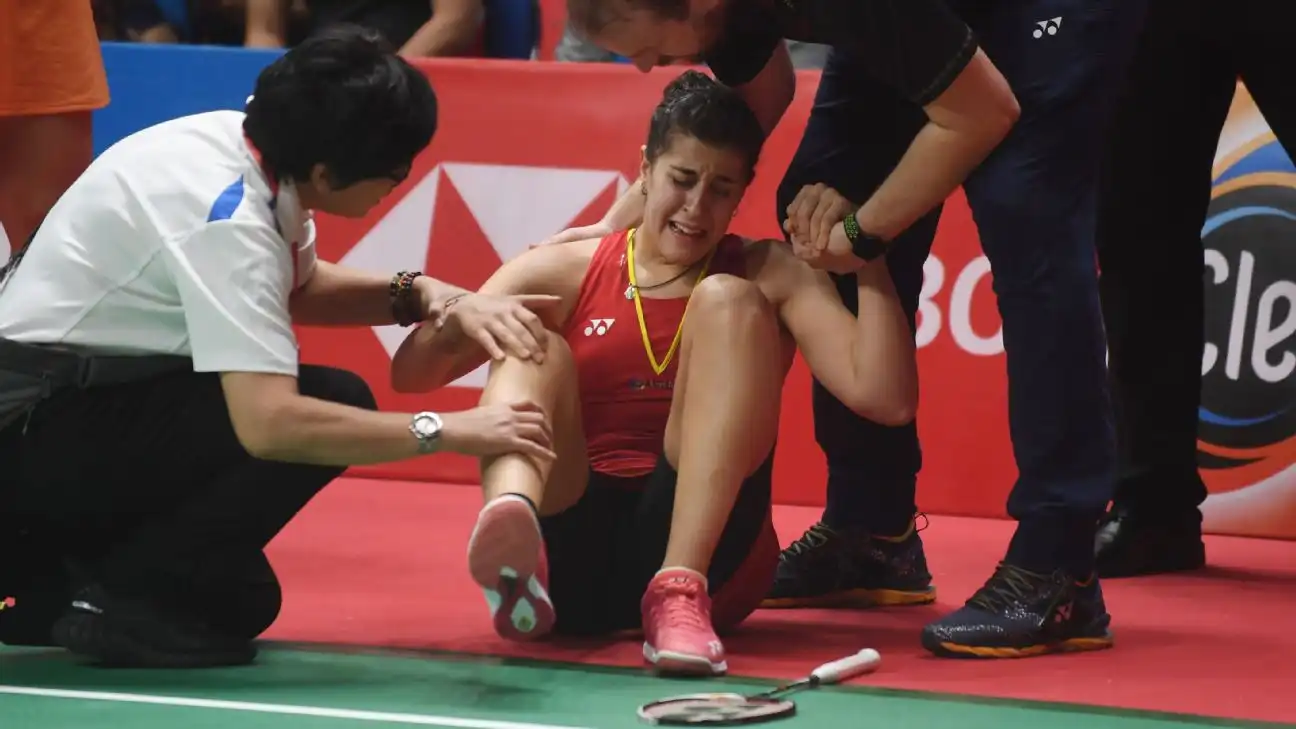
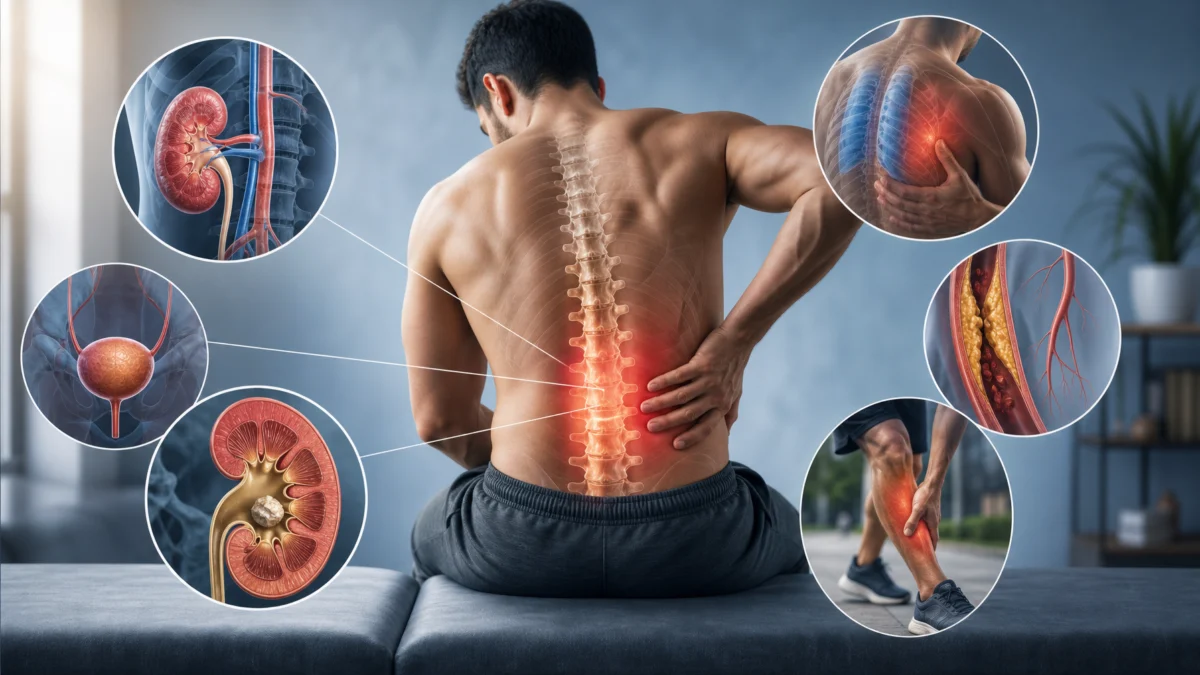
Pain that resembles a muscle or joint problem is not always musculoskeletal in origin. Low back pain can come from a kidney, shoulder pain may sometimes relate to the chest or abdomen, leg pain can be vascular rather than muscular, and back pain can occasionally reveal an infection, cancer or an urgent neurological condition.
These situations remain a minority. A recent systematic review estimates that approximately 0.8% of people presenting to primary care with low back pain have serious spinal pathology, with higher prevalence in specialist services and emergency departments. The aim is therefore not to suspect a serious illness behind every pain, but to recognize patterns that do not fit the usual mechanical presentation. [1]
This estimate concerns low back pain in primary care: it cannot be applied to all shoulder, chest or leg pain.
What is ‘mechanical’ pain?
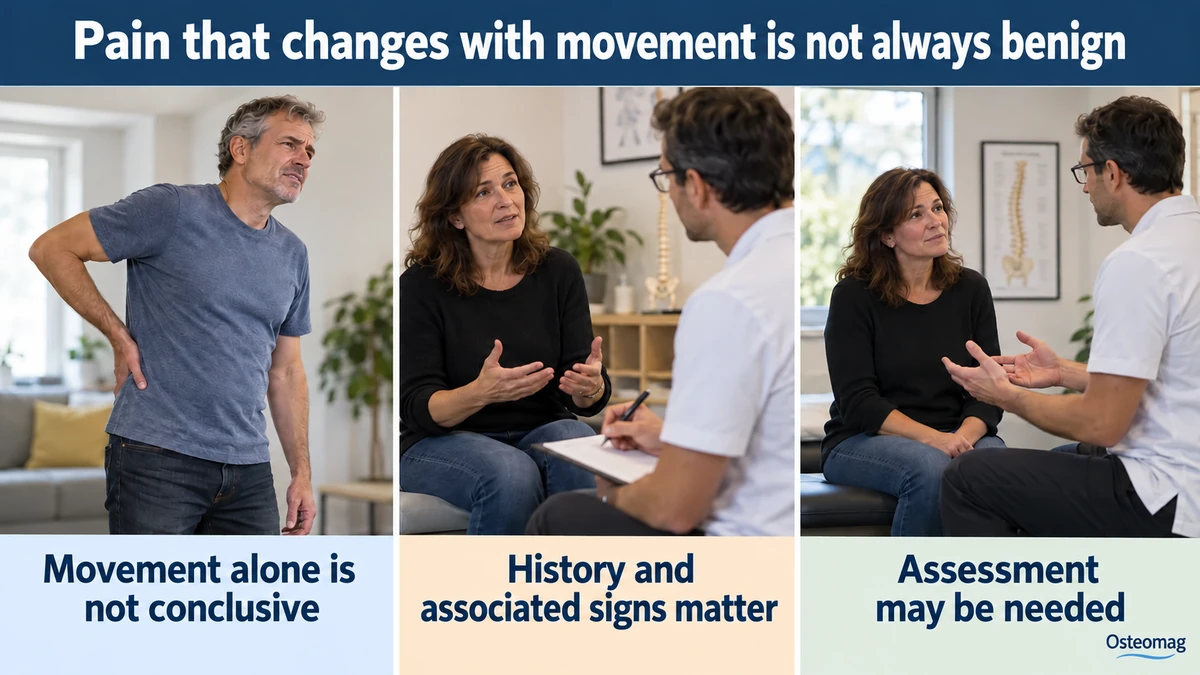
Pain influenced by movement, position, loading or particular activities is often called mechanical. It may worsen with bending, lifting, walking or prolonged sitting, then improve with rest or a change of position.
This description is useful, but imperfect. Some internal conditions also change with position or activity. Conversely, musculoskeletal pain can become constant when severe.
The term ‘mechanical’ should therefore remain a clinical hypothesis, not an automatic conclusion.
Red flags: useful, but imperfect
Red flags are signs or features in the history that increase the possibility of a serious condition. They are used in medicine, physiotherapy and manual therapy to decide when investigation or referral is needed.
However, a 2025 review emphasizes that there is still no fully standardized definition of red flags in musculoskeletal care. Many traditional signs have poor accuracy when used alone. [2]
For example, isolated night pain does not diagnose cancer. For spinal malignancy, a history of cancer is a particularly important factor raising suspicion; the course of symptoms, weight loss and examination complete the assessment. [3]
1. Infection: when back pain conceals spondylodiscitis
A spinal infection may cause back or neck pain that initially resembles mechanical pain. The person may have progressive, sometimes constant pain, with or without fever.
Risk factors include a recent infection, immunosuppression, diabetes, injecting drug use, recent surgery or an infection elsewhere in the body.
The absence of fever does not rule out infection. Severe, progressive, unexplained pain associated with a decline in general health warrants medical assessment. [4]
2. Kidney stones: back pain that does not come from the back
A kidney stone can cause severe pain in the flank or lower back, often on one side. Pain may radiate towards the groin, abdomen or genitals.
It is often described as extremely intense and may occur in waves. Associated symptoms can include nausea, vomiting, frequent urination or blood in the urine.
Unlike typical mechanical low back pain, it may be very difficult to find a comfortable position.
When does a kidney stone become urgent?
Renal colic-type pain accompanied by fever, chills, marked weakness or difficulty urinating requires prompt assessment. Urinary obstruction associated with infection can become a medical emergency. [5]
3. Urinary tract infection or pyelonephritis
A kidney infection can cause flank or back pain, often accompanied by fever, chills, fatigue, nausea or urinary symptoms.
Someone seeking help for a ‘locked lower back’ who also has burning urination, fever and flank pain should not receive manual treatment alone.
4. Vascular disease: leg pain is not always muscular
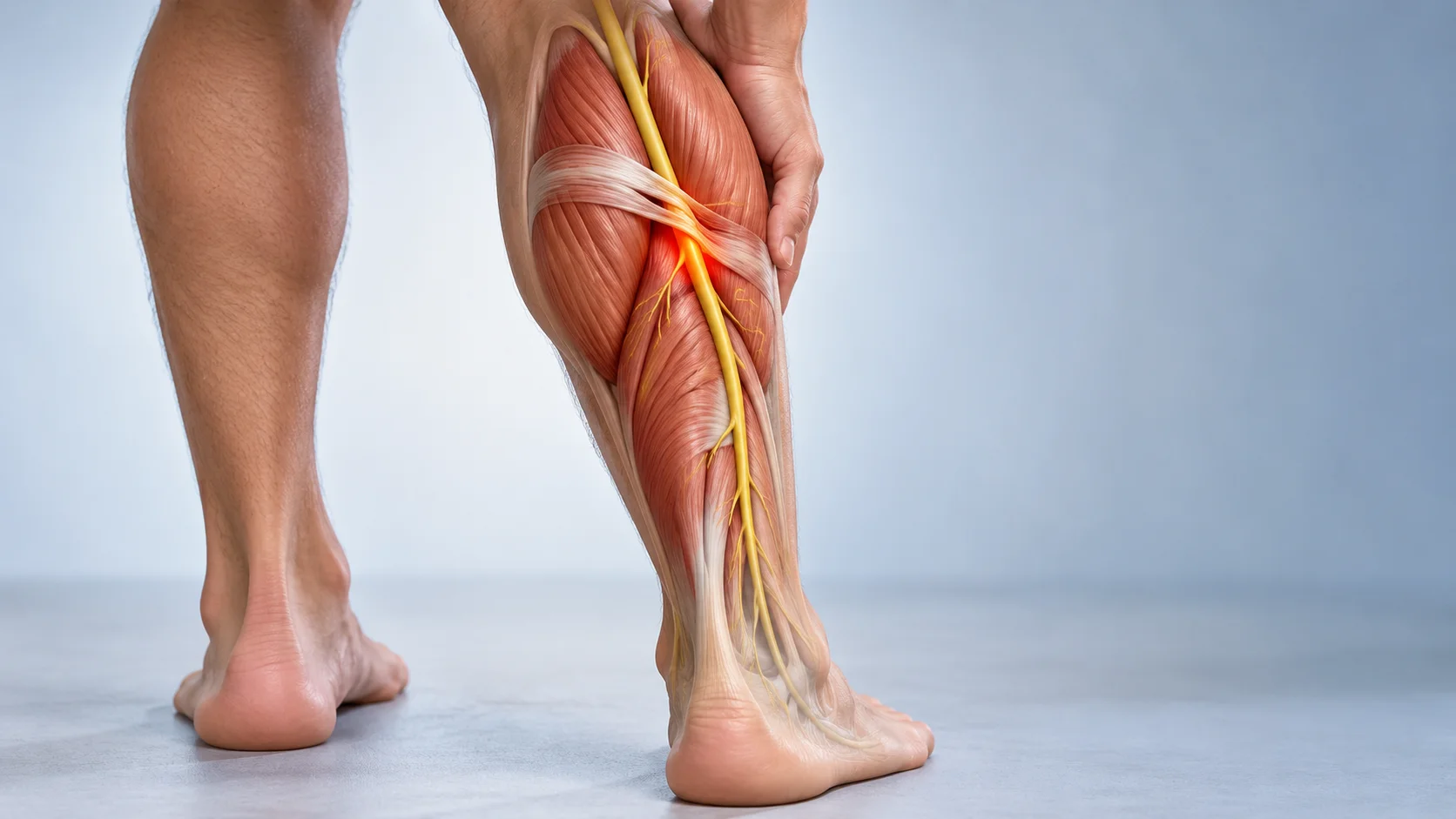
Calf pain after walking may suggest vascular claudication. When the leg arteries are narrowed, muscles receive less blood during exertion.
Pain often begins after a certain walking distance and decreases when the person stops. [6]
This pattern may be confused with radiating low back pain or muscle tension.
Neurogenic or vascular claudication?
Lumbar spinal stenosis can also cause pain when walking. In this case, symptoms are often affected by back position: bending forwards or sitting down may quickly improve them.
Vascular claudication is more closely linked to exertion itself. The distinction is not always straightforward and may require medical examination.
5. Deep vein thrombosis
Deep vein thrombosis can cause calf or thigh pain, sometimes accompanied by swelling, warmth or a change in colour.
It can be mistaken for muscle tightness.
New pain and swelling in one limb require medical assessment, especially after surgery, prolonged immobilization, a long journey, or in someone with active cancer or a history of thrombosis. [7]
Pulmonary embolism: an emergency
If leg pain or swelling is suddenly accompanied by shortness of breath, chest pain, a rapid heartbeat, feeling faint or coughing up blood, pulmonary embolism must be considered.
This is a medical emergency.
6. Abdominal aortic aneurysm
An abdominal aortic aneurysm can sometimes cause abdominal, low back or flank pain. Risk increases with age, smoking and certain cardiovascular diseases.
A rupture can cause sudden, severe pain, sometimes accompanied by feeling faint, a drop in blood pressure or loss of consciousness. [5]
This presentation does not always resemble typical low back pain and requires emergency care.
7. Cardiac problems: shoulder pain can come from the heart
Pain in the shoulder, arm, upper back, jaw or chest can sometimes have a cardiac origin.
Exertional pain accompanied by chest pressure, shortness of breath, nausea, sweating or feeling unwell requires urgent medical help if it is occurring now or begins suddenly. [8]
In some people, particularly women, older adults and people with diabetes, symptoms may be less typical.
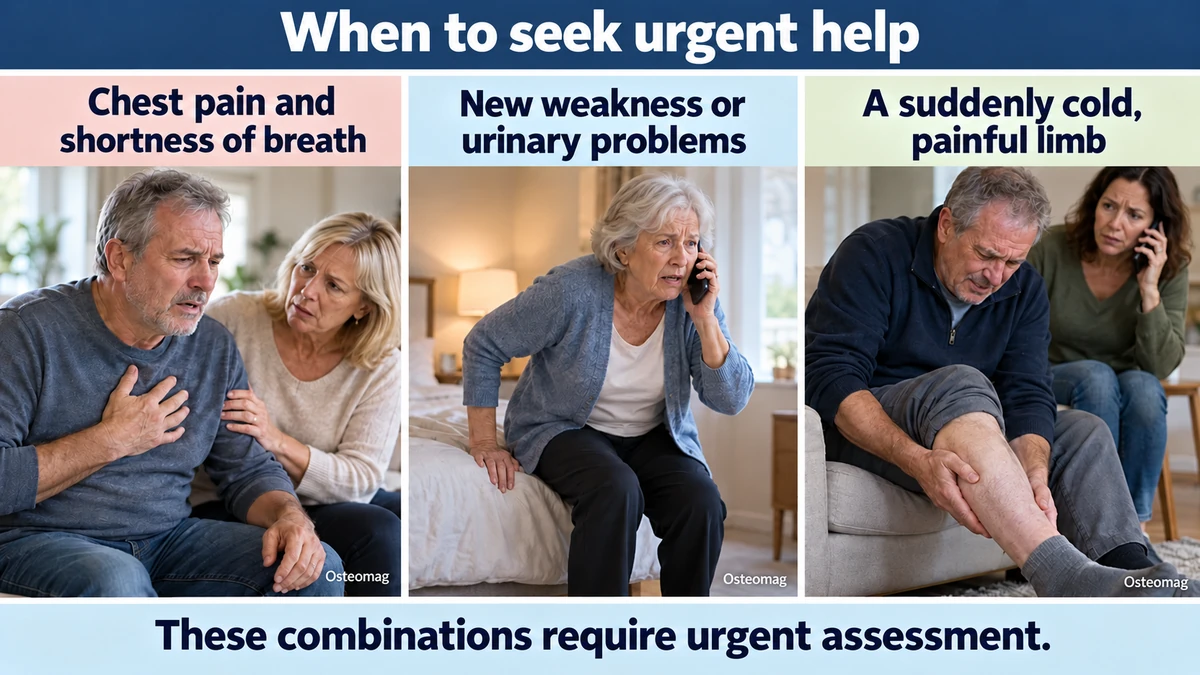
| Combination | What to do | Important limit |
|---|---|---|
| Chest pain with shortness of breath or feeling faint | Urgent medical help | Do not first try to treat muscle tension. |
| Spinal pain with urinary problems or new weakness | Urgent assessment | The absence of another sign is not enough to provide reassurance. |
| Flank pain with fever or urinary obstruction | Urgent medical assessment | Do not conclude that the lower back is ‘locked’. |
| New pain and a history of cancer | Prompt medical contact | Variation with movement does not rule out a serious cause. |
8. The lungs and pleura
Chest or back pain that increases with deep breathing may arise from the ribs or intercostal muscles, but it may also relate to the pleura or lungs.
Pneumonia may cause fever, cough, fatigue and chest pain. A pneumothorax may cause sudden chest pain with shortness of breath.
Chest pain associated with difficulty breathing should not first be treated as simple rib tension.
9. Abdominal conditions that refer pain to the back
Several abdominal organs can produce pain felt in the back.
Pancreatitis may cause upper abdominal pain radiating to the back, often with nausea or vomiting. Biliary disease may cause pain beneath the right ribs, sometimes extending towards the right shoulder blade. Some gastrointestinal conditions can also cause referred pain.
Digestive context, the relationship to meals, fever and systemic symptoms may help guide assessment.
10. Cancer: uncommon, but important not to miss
Cancer is an uncommon cause of low back pain in primary care. Recent reviews indicate that one of the most useful clues is a personal history of cancer.
Other factors may raise suspicion when combined: unexplained weight loss, progressive pain, lack of improvement, deteriorating general health or unusual examination findings.
Night pain alone is much less specific than is often assumed.
Can bone metastases resemble mechanical pain?
Yes. Bone pain can sometimes vary with loading, especially early on. The absence of mechanical variation is therefore not the only consideration.
In someone with known cancer, new persistent pain in the back, pelvis or a bone warrants medical assessment. [9]
11. Cauda equina syndrome
Cauda equina syndrome results from substantial compression of nerve roots within the lumbar spinal canal. It is rare but urgent.
Possible signs include loss of sensation in the perineal area, new urinary difficulties, urinary retention, incontinence, progressive leg weakness or bowel problems.
None of these signs has perfect sensitivity, but when present they justify urgent investigation. [10]
12. Cervical or thoracic myelopathy
Spinal cord compression may produce symptoms that initially resemble a musculoskeletal problem: neck or back stiffness, clumsiness, heavy legs or diffuse pain.
Difficulty walking, loss of balance, hand clumsiness, progressive weakness or abnormal neurological reflexes require further assessment.
13. Vertebral fracture
A fracture can occur after significant trauma, but in someone with osteoporosis, even minor trauma may be enough.
Older age, prolonged corticosteroid use, a history of osteoporosis and trauma increase the likelihood.
Severe acute pain after a fall or unfamiliar exertion in a frail person warrants assessment.
Thoracic back pain sometimes deserves closer attention
Thoracic back pain is less common than low back pain and has a different range of possible diagnoses. American College of Radiology guidance notes that inflammatory, infectious, neoplastic or neurological conditions can affect this region. [11]
Uncomplicated thoracic pain without red flags does not necessarily require imaging. However, cancer, infection, immunosuppression, trauma or myelopathy may justify more prompt investigation.
Red flags should not be used as a simple checklist
Research shows that many traditional red flags have limited accuracy when used separately.
A patient can have a red flag without a serious illness, and a serious illness may sometimes present without a classic red flag.
Clinical reasoning must therefore integrate combinations of signs, change over time, age, medical history, examination and level of risk. [12]
A change in pain behaviour deserves more concern
Long-standing pain that suddenly becomes very different deserves attention. For example, it:
- becomes constant when it previously varied;
- worsens rapidly for no clear reason;
- is no longer influenced by movement;
- occurs with fever or weight loss;
- is accompanied by weakness or neurological problems;
- occurs in someone with known cancer.
The osteopath’s role
An osteopath should not look only for a stiff joint or tense muscle. An essential part of clinical practice is recognizing when the presentation does not fit a usual musculoskeletal problem.
When unusual signs are present, appropriate care may mean not providing manual treatment and referring for medical assessment.
This ability increases the safety and credibility of practice.
When is manual treatment appropriate?
When the presentation is compatible with uncomplicated musculoskeletal pain, manual treatment may be used as an adjunct to reduce pain, temporarily improve mobility and support a return to activity.
It must not be used to explain visceral pain as a ‘vertebral blockage’ or to delay investigation of a potentially serious problem.
Conclusion
Most back, neck, shoulder and limb pain is musculoskeletal. Serious causes remain a minority, particularly in primary care.
However, some infections, kidney conditions, vascular disorders, cancers, thoracic or abdominal conditions and neurological emergencies can mimic a mechanical problem.
Safety relies less on a rigid list of red flags than on careful clinical reasoning: context, evolution, associated symptoms and examination. The best practitioner is not the one who always finds a structure to treat, but the one who recognizes when pain no longer resembles a straightforward musculoskeletal complaint.
References
- [1] Reginato LS, Machado GC, Maher CG et al. Prevalence of serious spinal pathologies and nonspinal conditions in low back pain: a systematic review and meta-analysis. Pain Med. 2026;27(1):43-52. doi:10.1093/pm/pnaf078.
- [2] Storari L, Piai J, Zitti M et al. Standardized Definition of Red Flags in Musculoskeletal Care: A Comprehensive Review of Clinical Practice Guidelines. Medicina (Kaunas). 2025;61(6):1002. doi:10.3390/medicina61061002.
- [3] Notarangelo G, Margelli M, Giovannico G et al. Diagnostic Utility of Red Flags for Detecting Spinal Malignancies in Patients with Low Back Pain: A Scoping Review. J Clin Med. 2025;14(20):7174. doi:10.3390/jcm14207174.
- [4] Berbari EF, Kanj SS, Kowalski TJ et al. 2015 Infectious Diseases Society of America (IDSA) Clinical Practice Guidelines for the Diagnosis and Treatment of Native Vertebral Osteomyelitis in Adults. Clin Infect Dis. 2015;61(6):e26-46. doi:10.1093/cid/civ482.
- [5] British Association of Urological Surgeons. Renal tract stones & colic. Official clinical guide: presentation and infected obstruction. Accessed October 15, 2026.
- [6] Writing Committee Members, Gornik HL, Aronow HD et al. 2024 ACC/AHA/AACVPR/APMA/ABC/SCAI/SVM/SVN/SVS/SIR/VESS Guideline for the Management of Lower Extremity Peripheral Artery Disease: A Report of the American College of Cardiology/American Heart Association Joint Committee on Clinical Practice Guidelines. J Am Coll Cardiol. 2024;83(24):2497-2604. doi:10.1016/j.jacc.2024.02.013.
- [7] National Health Service. DVT (deep vein thrombosis). Official public information. Accessed October 15, 2026.
- [8] Gulati M, Levy PD, Mukherjee D et al. 2021 AHA/ACC/ASE/CHEST/SAEM/SCCT/SCMR Guideline for the Evaluation and Diagnosis of Chest Pain: A Report of the American College of Cardiology/American Heart Association Joint Committee on Clinical Practice Guidelines. Circulation. 2021;144(22):e368-e454. doi:10.1161/CIR.0000000000001029.
- [9] National Institute for Health and Care Excellence. Spinal metastases and metastatic spinal cord compression. NICE guideline NG234. 2023.
- [10] Dionne N, Adefolarin A, Kunzelman D et al. What is the diagnostic accuracy of red flags related to cauda equina syndrome (CES), when compared to Magnetic Resonance Imaging (MRI)? A systematic review. Musculoskelet Sci Pract. 2019;42:125-133. doi:10.1016/j.msksp.2019.05.004.
- [11] Expert Panel on Neurological Imaging, Shah VN, Parsons MS et al. ACR Appropriateness Criteria® Thoracic Back Pain. J Am Coll Radiol. 2024;21(11S):S504-S517. doi:10.1016/j.jacr.2024.08.016.
- [12] Finucane LM, Downie A, Mercer C et al. International Framework for Red Flags for Potential Serious Spinal Pathologies. J Orthop Sports Phys Ther. 2020;50(7):350-372. doi:10.2519/jospt.2020.9971.